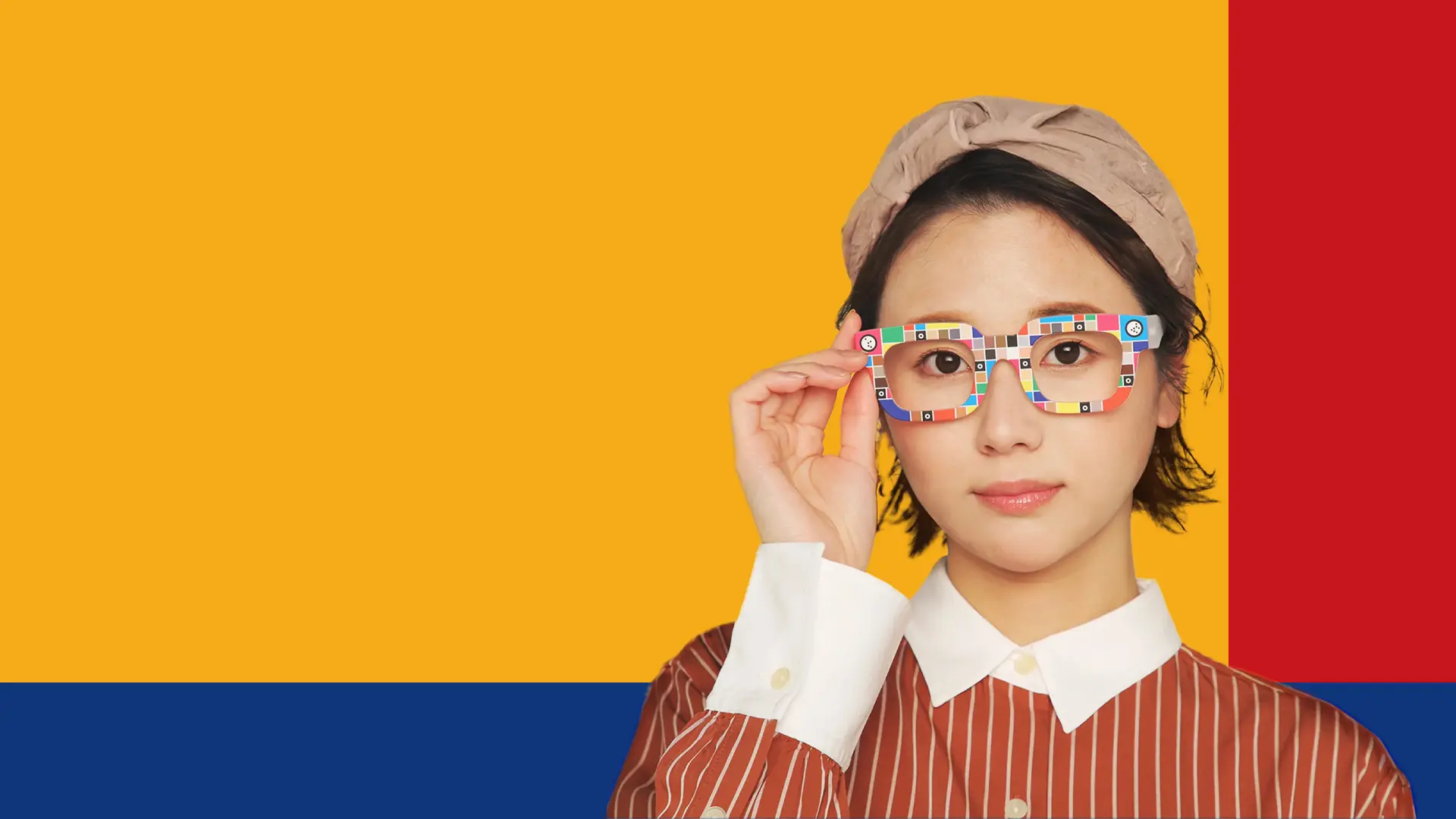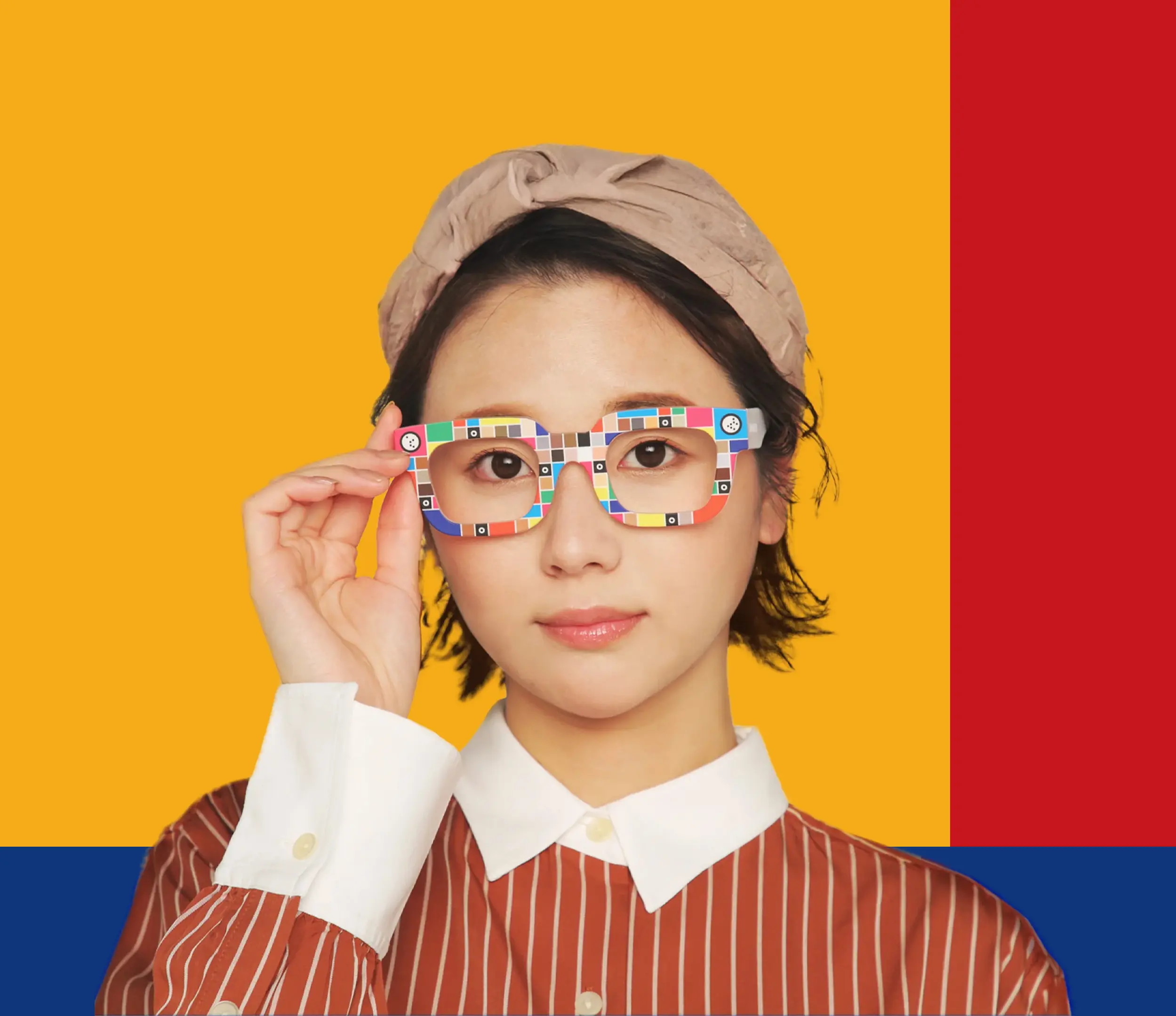
Bringing Personal Beauty Discovery to Everyone
A story about innovation, curiosity, and the joy of helping people feel confident in their own skin.
Launched Countries: Japan
At ZOZO, we've always believed that technology should make life simpler, not more complicated. With ZOZOGLASS, we wanted to take a bold step into the world of online beauty — a world where choosing the right foundation shade has traditionally felt risky and uncertain.
What if a simple pair of glasses could make that decision effortless?
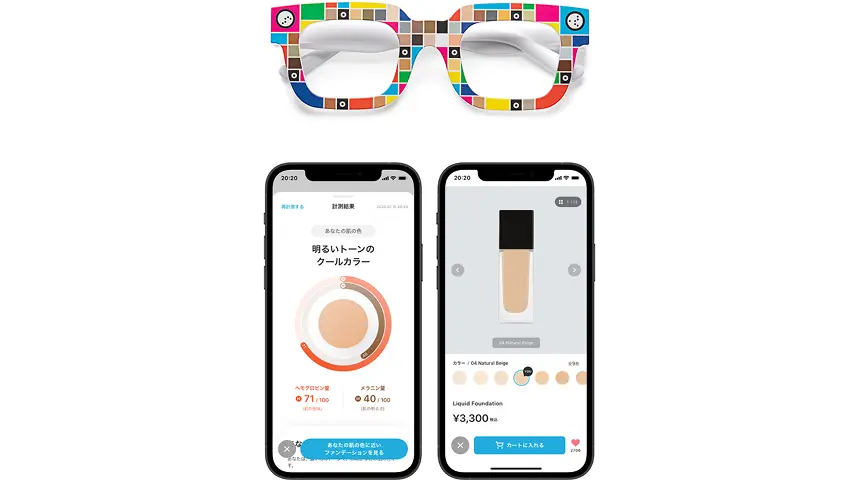
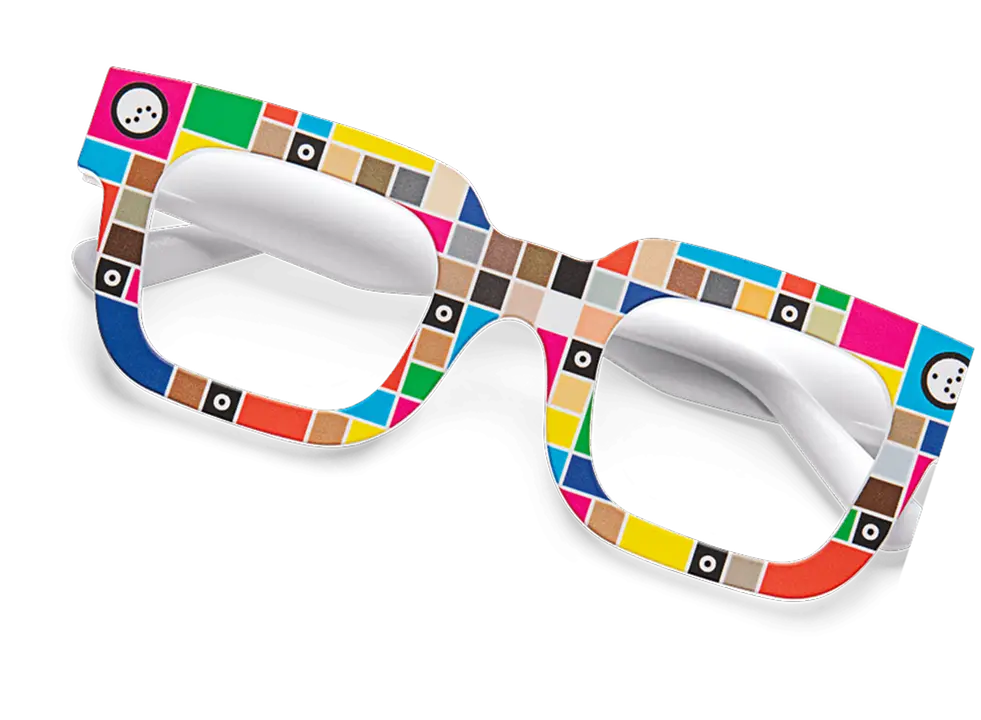
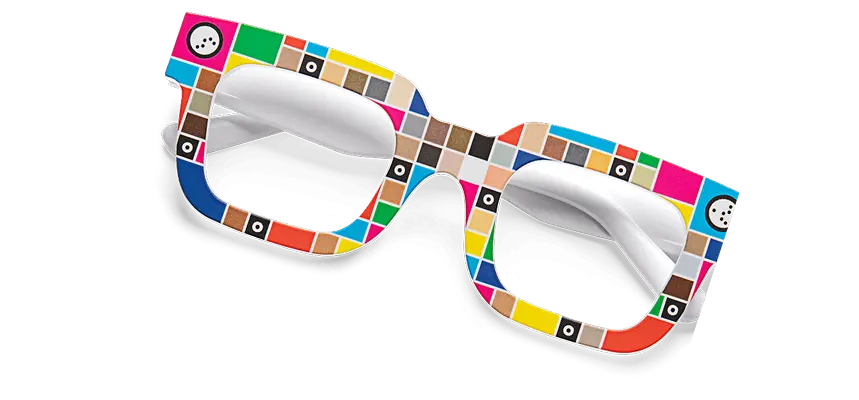
That question became the starting point of ZOZOGLASS: a smart, beautifully designed device that analyses your skin tone with scientific precision, all from the comfort of home.
ZOZOGLASS is printed with colour calibration swatches and special markers along the frame. When you put it on and scan your face using the ZOZOTOWN app:
This creates an individualised skin-tone profile, which is then used to recommend foundation shades on ZOZOCOSME.
Jan 2021
Preorders started
Mar 2021
Shipping began
1.4M+
Users scanned with ZOZOGLASS
As ZOZO expanded into the beauty category through ZOZOCOSME, ZOZOGLASS became one of the company's most successful launches.

– From an Engineer's Perspective
Tran, Software Engineering Manager (Research/SDK) at ZOZO New Zealand
Interestingly, the feature that became the most loved by users — personal colour detection — almost never existed.
Originally, it wasn't even planned. It was added in the last few months of development as a small ”fun extra“ using a very simple algorithm built by another team.
But once the product launched, users gravitated toward it immediately.
People were fascinated by discovering whether they were warm-toned or cool-toned. It became the feature that sparked curiosity, conversation, and even friendly debates. And just as quickly, users demanded accuracy.
The team went back, studied real-world data from hundreds of thousands of scans, and refined the algorithm until the results matched what customers intuitively expected. The improvement received overwhelmingly positive feedback — even families of ZOZO leadership expressed how precisely it matched their personal colour.
A feature that began as an afterthought became the star of the experience.
As the engineer shared, developing ZOZOGLASS was rewarding, but working across time zones and languages with global teams wasn't always easy. Scheduling meetings across New Zealand, Japan, and China sometimes felt like solving a puzzle — and language barriers added another layer of complexity.
Still, the team found creative ways to communicate, often relying on visuals like screenshots or diagrams. It was a reminder that great technology is never built alone — it is built together, across cultures and differences.
When asked about the highlight of his career, the engineer spoke proudly about ZOZOGLASS:
He even shared a philosophy that guided his engineering approach:
”Don't overcomplicate things. The simplest solution is often the best.”
It's a mindset shaped by years of research and algorithm development — and one that played a key role in making ZOZOGLASS reliable, efficient, and user-friendly.